
Whole-System Economy
Transforming bio-waste into regenerative infrastructure
From Extraction to Circulation
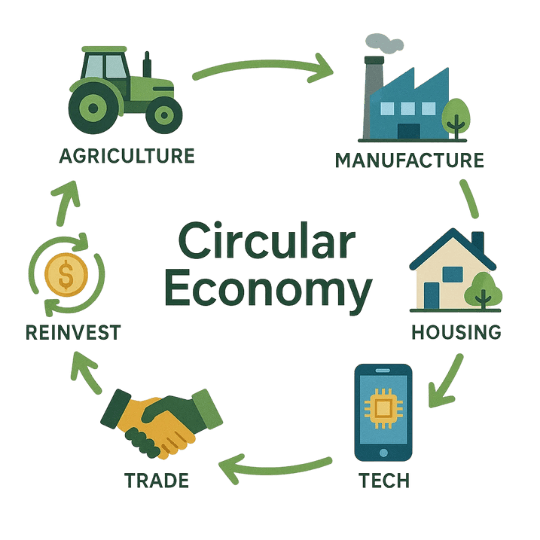
Circular Economy Model
The Whole-System Economy is built on a closed-loop circular model that not only maximizes multi crop yields but also eliminates waste by transforming agricultural residues into valuable resources. Our Focus is to create a "bottom up" economy, reducing "top down" supply chain extraction from 83% and food waste from 41% and today our FarmersUp economic and traceability App accomplished this.
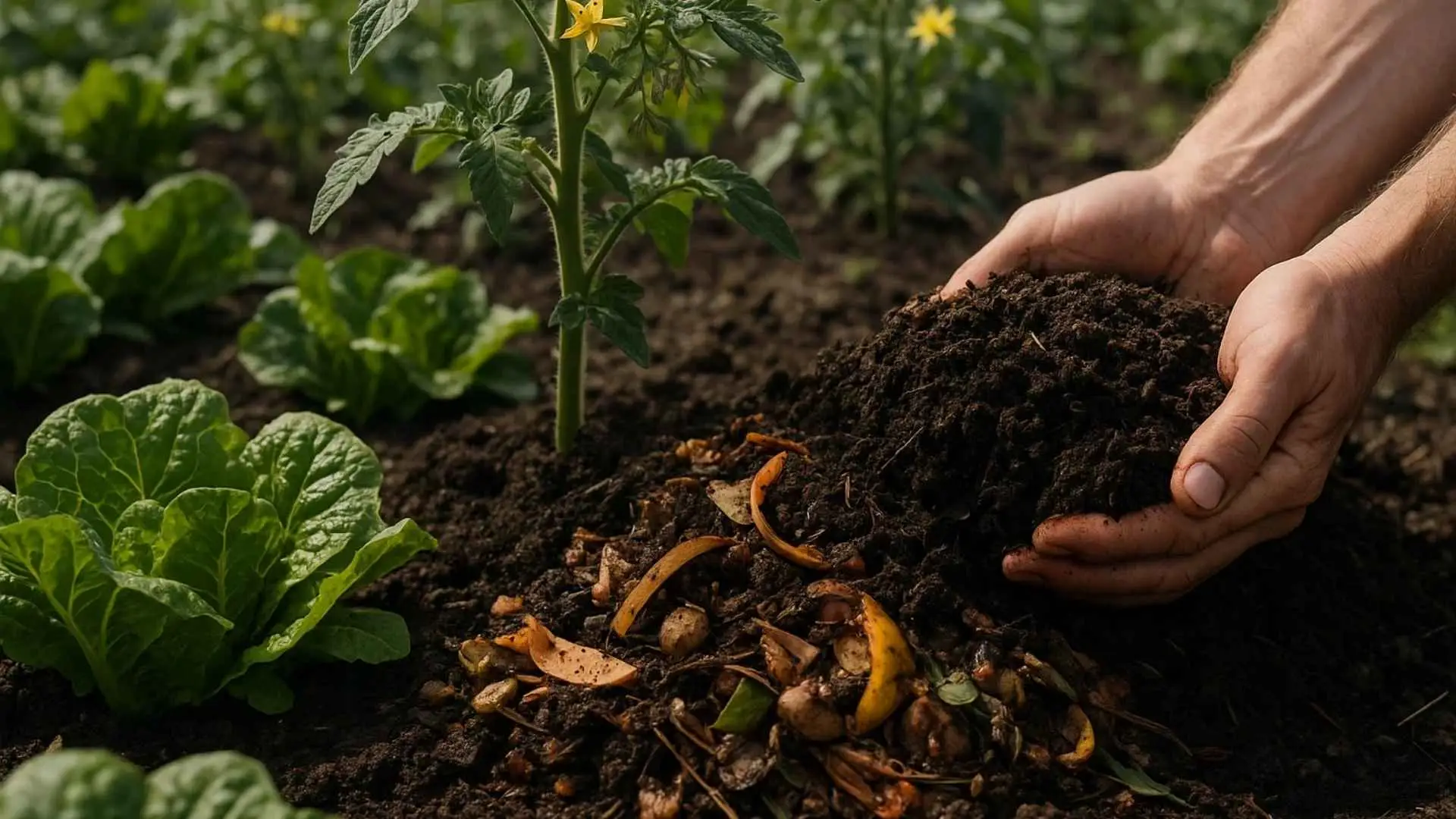
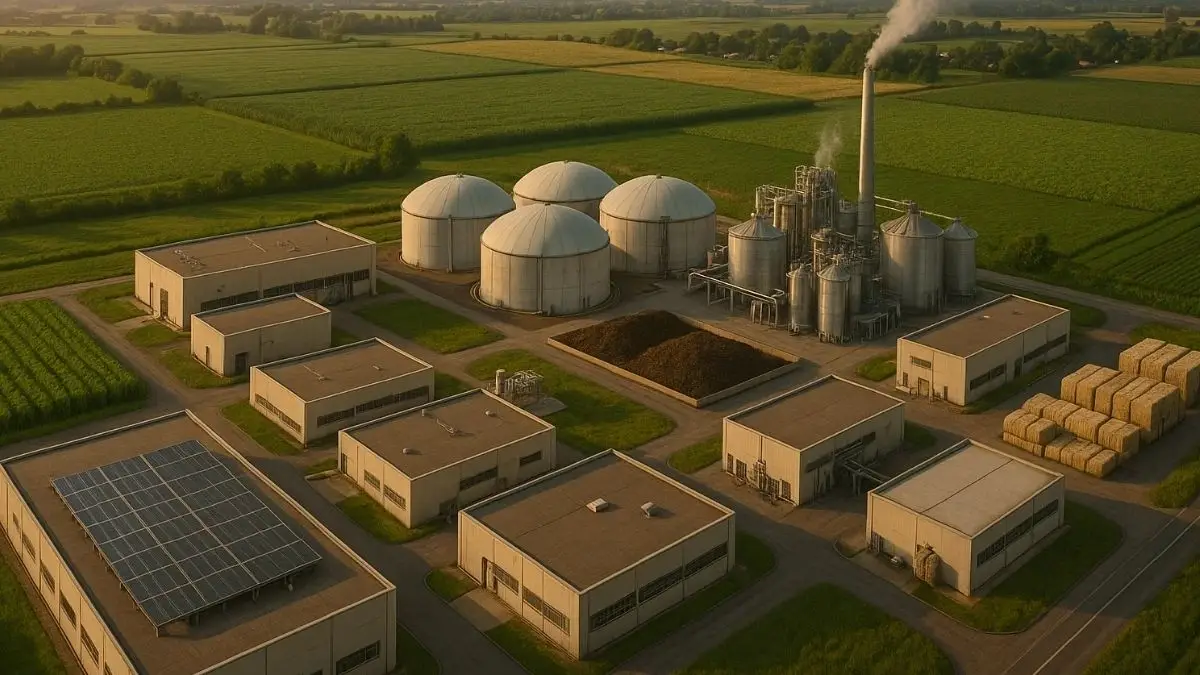
Every output becomes the next input — food waste becomes energy, crop stalks become building panels, and bioplastics replace fossil-based materials. This regenerative cycle restores soils, captures carbon, and creates continuous local value.
500 Million Farmers. 40% Equity. Ownership from Field to Fingerprint.
FarmersUp is the economic engine of the Biodiversity Arc — a digital platform transforming smallholder farmers from commodity sellers into equity partners across five regenerative economies.
Through blockchain-verified traceability, fractional ownership tokens, and guaranteed offtake partnerships, farmers finally receive their fair share of the value chain. Food, construction, textiles, pharmaceuticals, and energy — every harvest creates lasting wealth for the communities who grow it.
Explore FarmersUp DemoFrom soil to markets
Key Areas
Each sector contributes to restoring ecosystems, building sustainable value chains, and creating inclusive economic growth across regions.
-
01
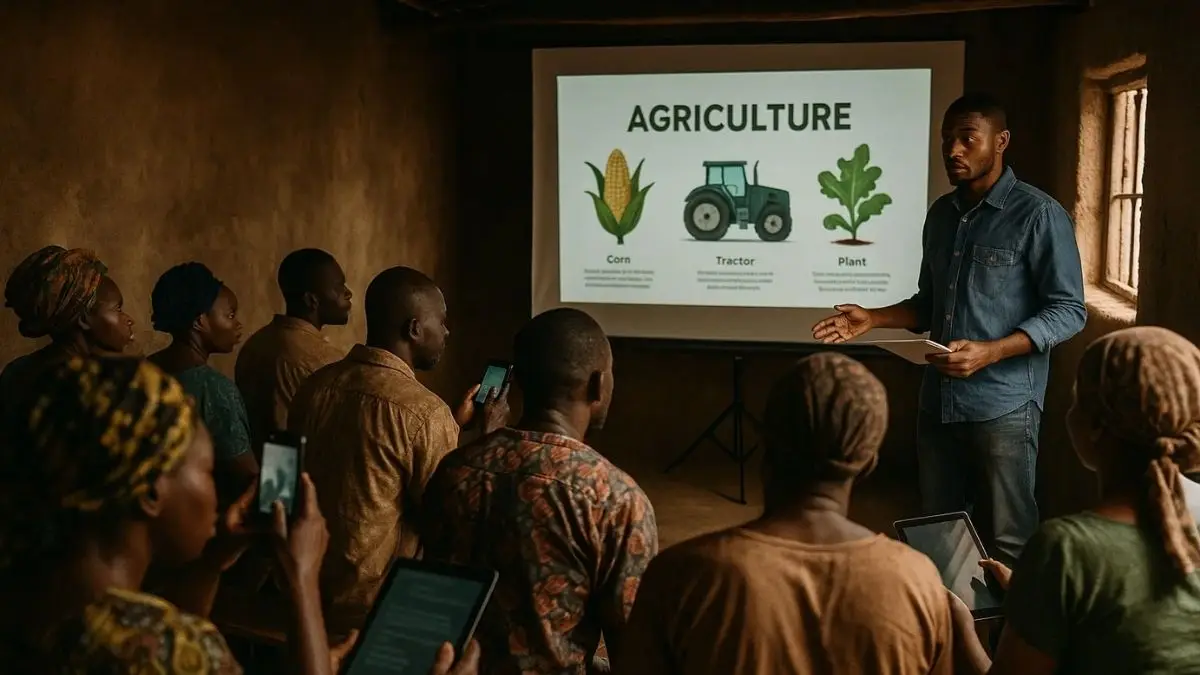
Agriculture
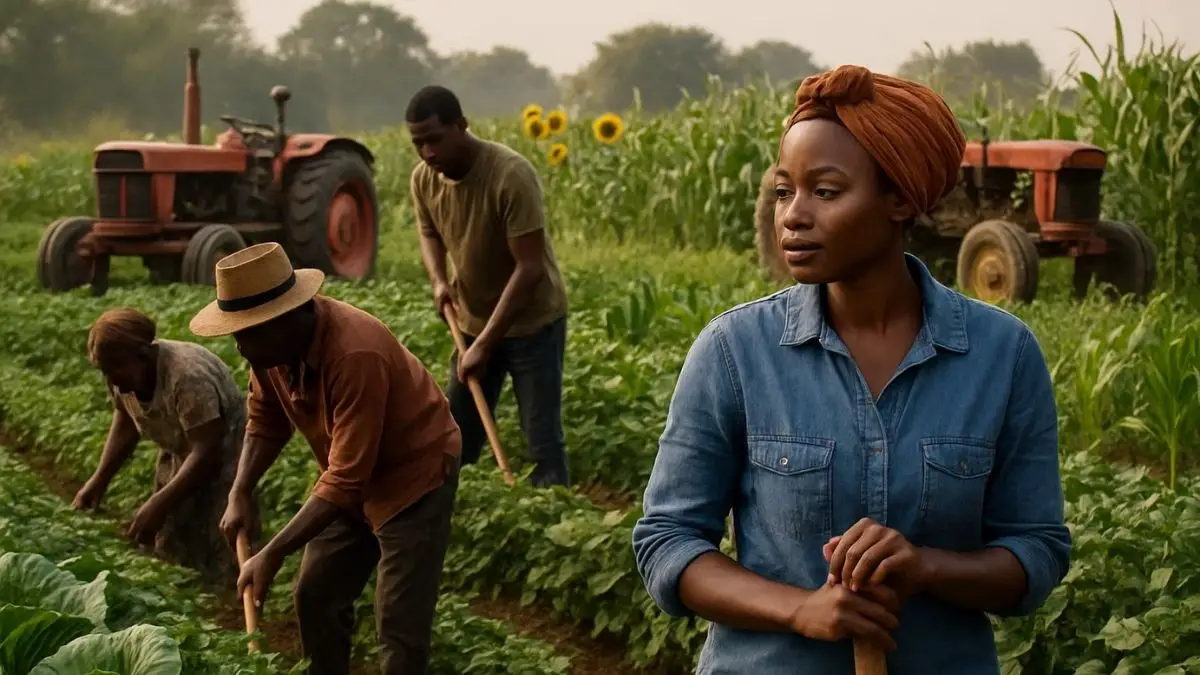
Regenerative farm clusters rebuild soil fertility, support pollinator habitats, and strengthen biodiversity through multi-crop agroforestry and precision farming.
-
02
Food
Diversified crop systems and local processing ensure food security while creating nutritious, sustainable products for communities and export.
-
03
Manufacturing
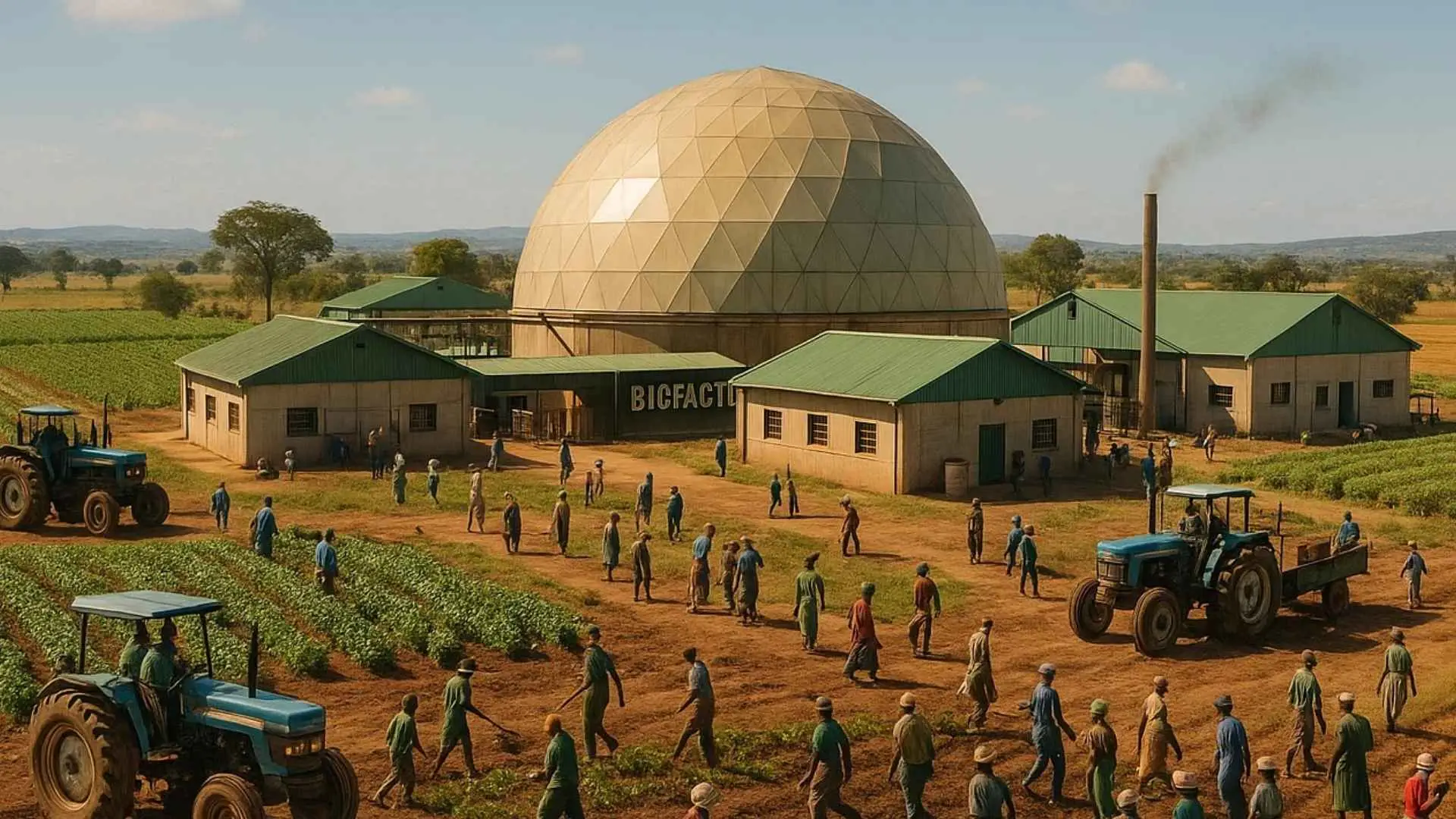
Modular BioFactories transform crops and bio-waste into high-value foods, construction materials, textiles, and bioplastics.
-
04
Bioplastics
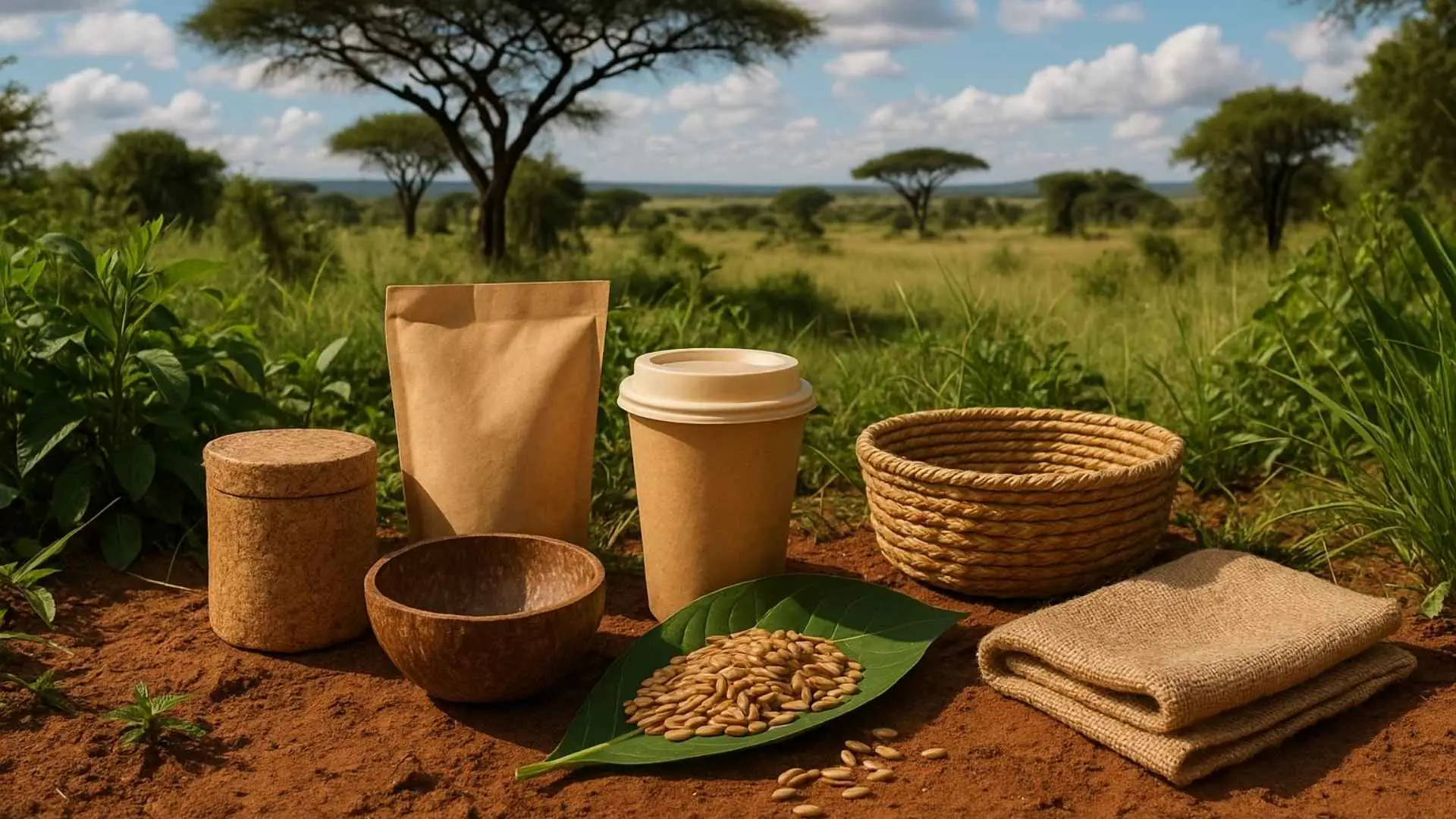
Hemp and plant-based polymers replace petroleum plastics, creating biodegradable materials for packaging, construction, and consumer goods.
-
05
Textiles
Sustainable fibers from hemp, flax, and other crops feed into fabric production for fashion, construction, and industrial applications.
-
06
Housing
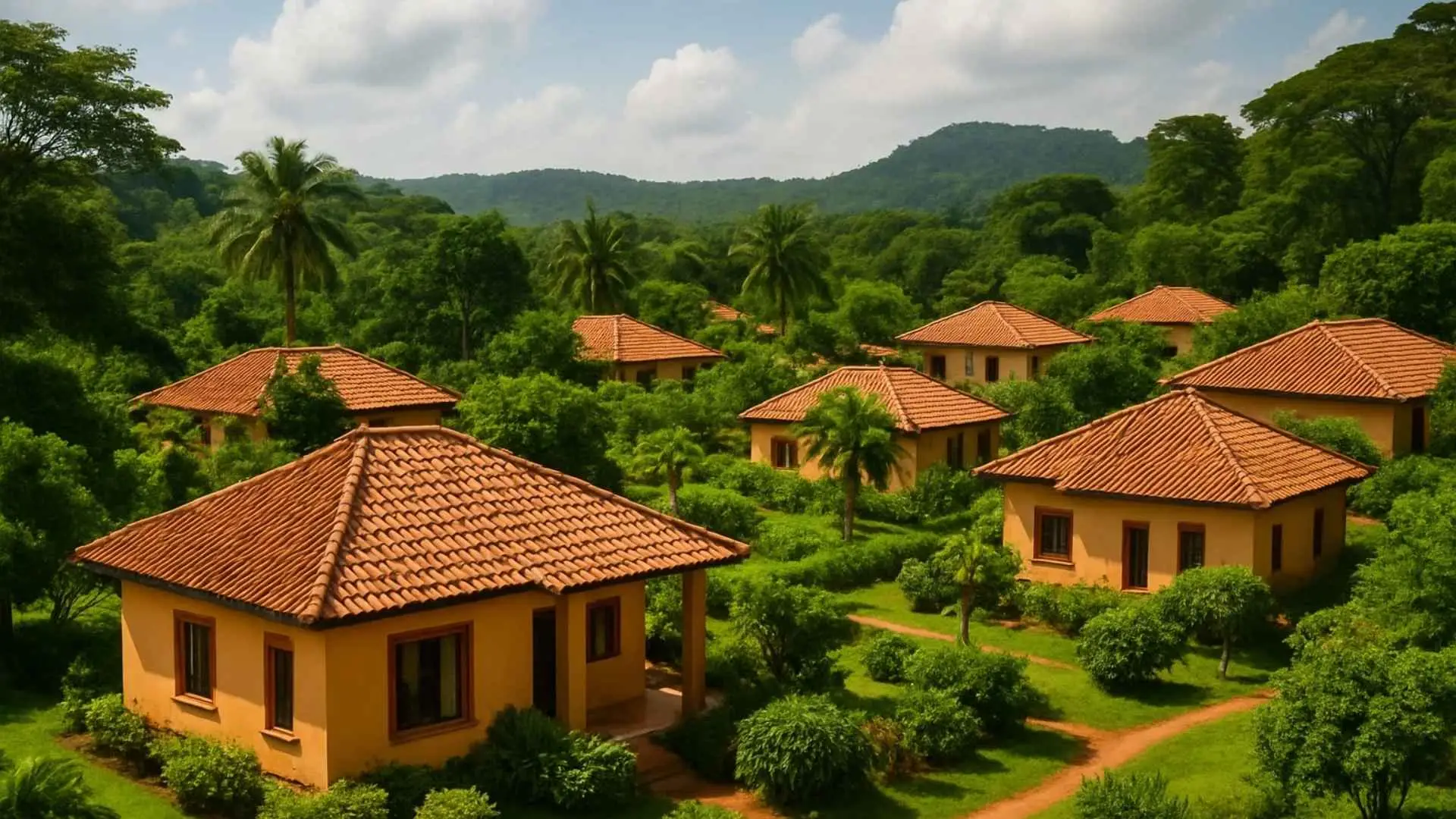
Affordable, carbon-negative homes built from renewable biomaterials create community hubs with integrated energy and water systems.
-
07
Energy
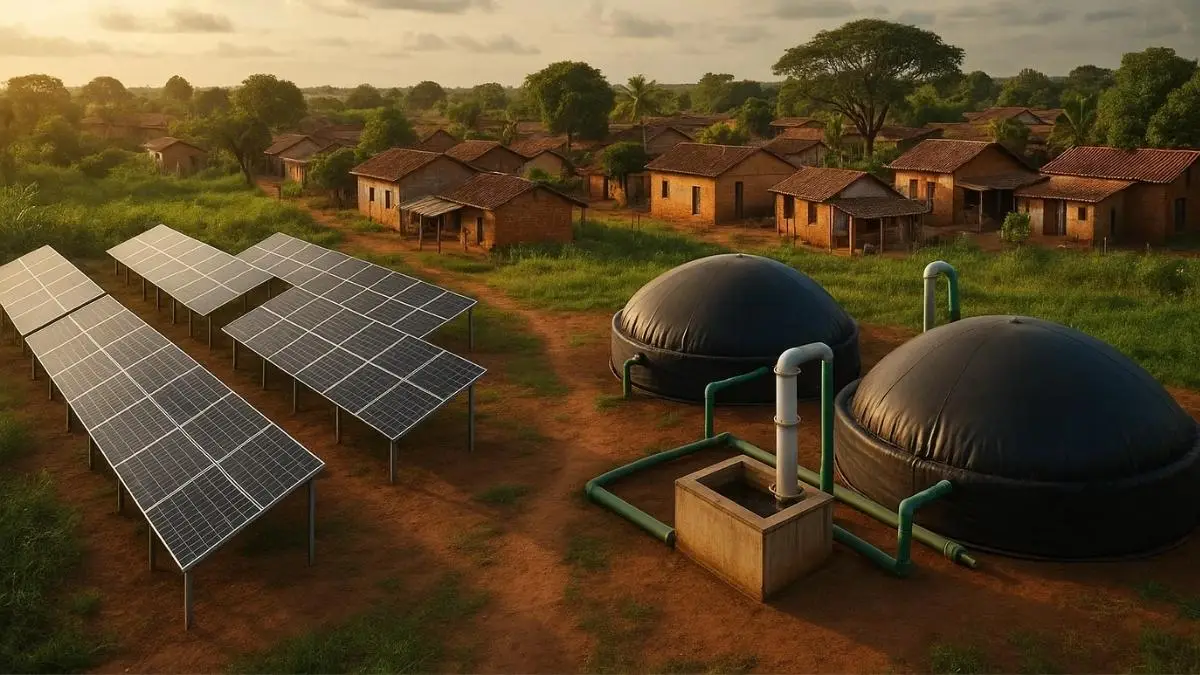
Solar microgrids, biodigesters, and hydrogen systems deliver reliable off-grid power that cuts emissions and secures essential resources.
-
08
Logistics
Regional supply chains and distribution networks connect producers to markets, reducing transport emissions and ensuring fair access.
-
09
Technology
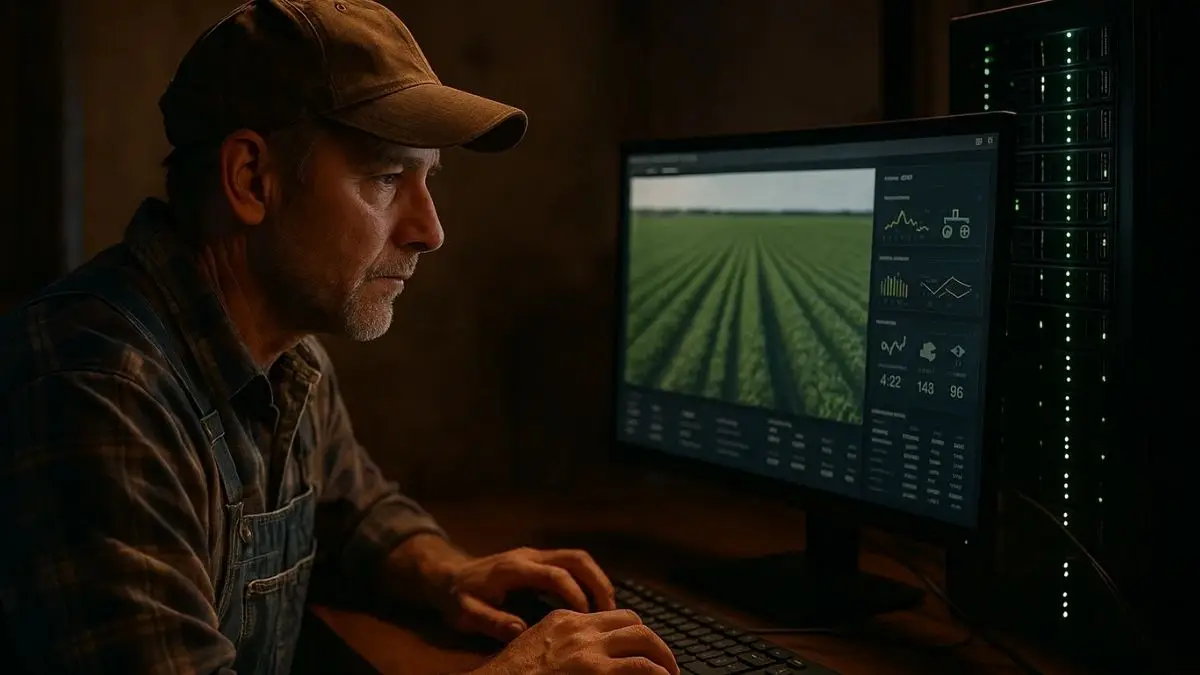
Edge AI, IoT sensors, and blockchain traceability connect every stage of production for real-time analytics and transparent resource management.
-
10
Finance
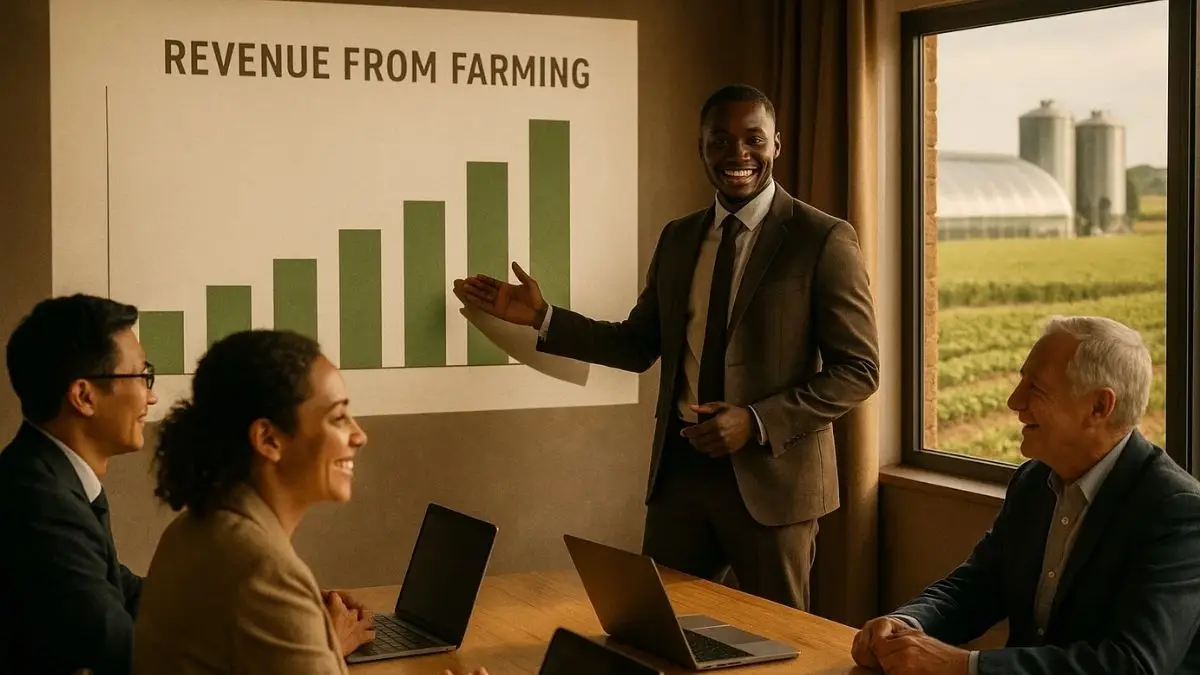
Green bonds, blended finance, and cooperative micro-mortgages tie investment to measurable environmental and social outcomes.
-
11
Government
Transparent governance unites public, private, and community partners to enable policy frameworks that sustain long-term regeneration.
-
12
Education
Training programmes build expertise in regenerative farming, bio-manufacturing, and digital innovation for local enterprise development.
-
13
Research
Academic partnerships and R&D programmes advance regenerative science, material innovation, and sustainable business models.
-
14
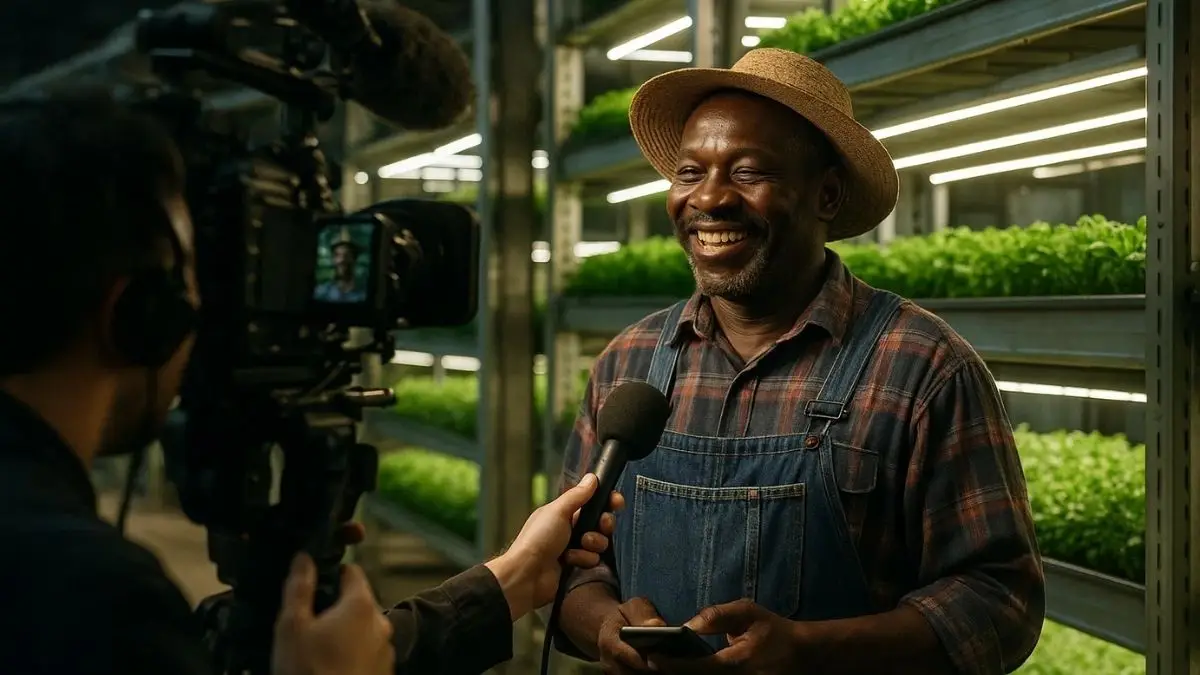
Media
Strategic communications and community storytelling broadcast innovations globally, building public support and participation.
-
15
Humanitarian
Emergency response and community resilience programs address displacement, food insecurity, and climate vulnerability across regions.
-
16
Climate
Carbon capture through regenerative agriculture, reforestation, and bio-based materials restores ecosystems, recovers wildlife habitats, and builds climate resilience.




Take Action
Join the Arc
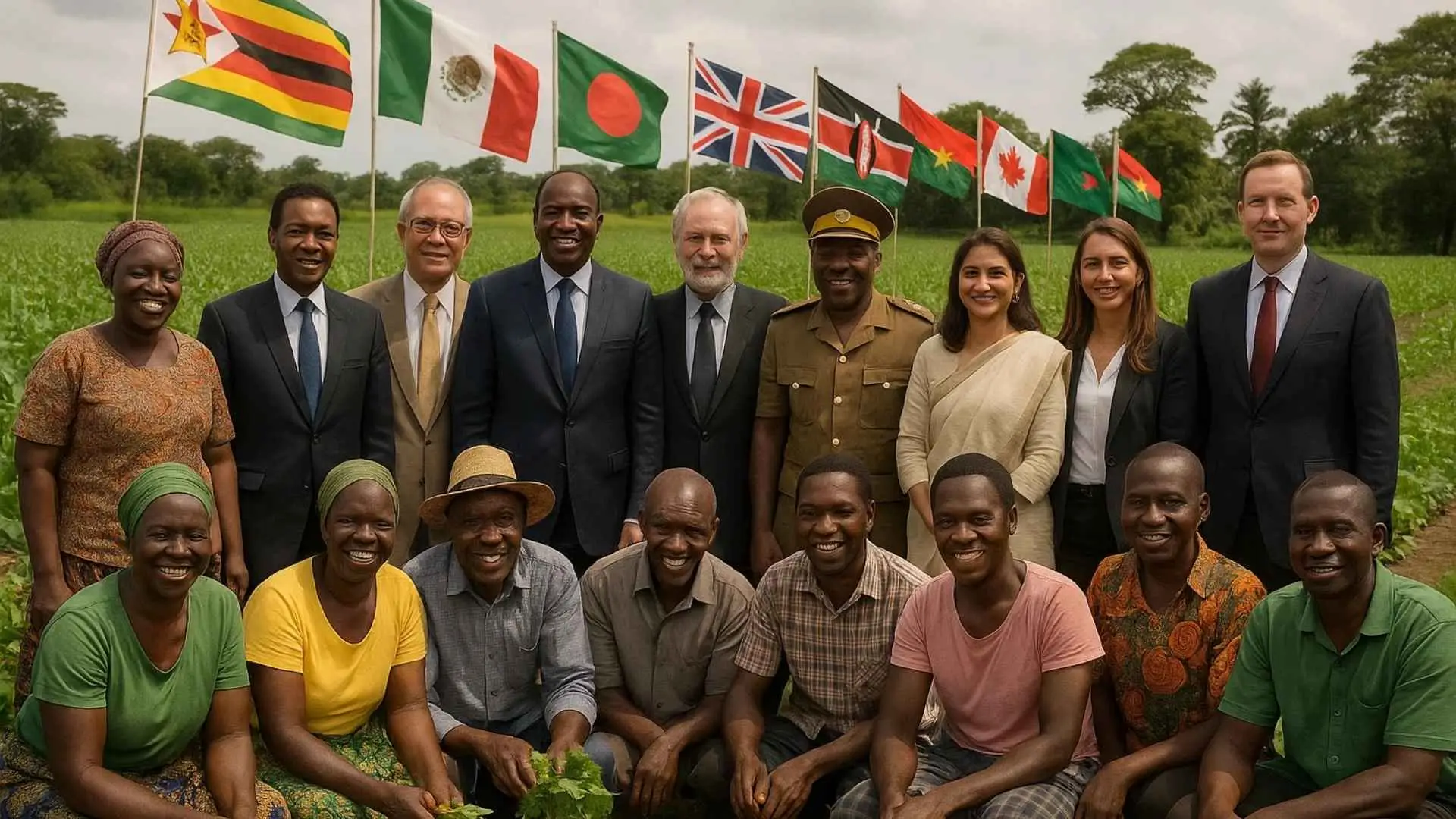
Governments, cooperatives, NGOs, and impact investors are invited to collaborate in establishing regenerative corridors across regions. The Arc creates tailored pathways for implementation—linking land, technology, and finance to accelerate deployment.
Contact Us